History of the Cave Quarter of Guadix
The troglodytic tradition of the Cave Quarter of Guadix has very ancient roots. Although there are precedents in Roman and Muslim times, the development of the quarter as it is known today began after the Christian conquest of the city by the Catholic Monarchs at the end of the 15th century.
At that time, many social minorities who did not integrate into the urban life of the historic center found refuge in the clay hills surrounding the city. There they began to excavate the first dwellings that would give rise to the current Cave Quarter of Guadix.
Over time, this housing system became established as a practical and effective solution adapted to the climate and the terrain. The Cave Quarter of Guadix grew progressively until it formed a huge troglodytic complex that extends in an arc from east to west around the city.
Today, the Cave Quarter of Guadix is considered the European Capital of Caves, a recognition that reflects the importance of this unique heritage.
A unique cityscape of white chimneys
One of the most distinctive features of the Cave Quarter of Guadix is the landscape formed by hundreds of white chimneys that rise above the hills.
These chimneys correspond to the ventilation shafts of the cave houses, as the kitchens and hearths are excavated into the ground. From a distance, the Cave Quarter of Guadix appears as a veritable forest of chimneys, creating a unique landscape in Andalusia.
The combination of clay, lime, and excavated architecture has created a highly recognizable image that makes the Cave Quarter of Guadix one of the most photographed places in the city.
How cave houses are built
The houses in the Cave Quarter of Guadix are built using a traditional technique passed down through generations. The master builders specializing in this work were known as "picaores," and their job consisted of carefully excavating the earth to create the different rooms.
The excavation begins from the roof down. First, the entrance or main room is created, and from there the other rooms are opened up.
The houses in the Cave Quarter of Guadix have very particular characteristics:
- Rooms carved into the clay
Natural ventilation through air currents
Chimneys rising above the hills
Traditional absence of interior doors, replaced by curtains
Ventilation occurs thanks to the airflow generated between the front door, windows, and chimney, which keeps the interior of the house cool and well-ventilated.
A way of life that is still alive
Unlike other similar places in Europe, the Cave Quarter of Guadix is not just a historical or archaeological site, but a fully inhabited neighborhood.
Many of these caves are still private homes, although other uses have also contributed to revitalizing the neighborhood.
In the Cave Quarter of Guadix you can find:
- Cave hotels and rural accommodations
- Wineries dug into the earth
- Troglodyte restaurants
- Museums and interpretation centers
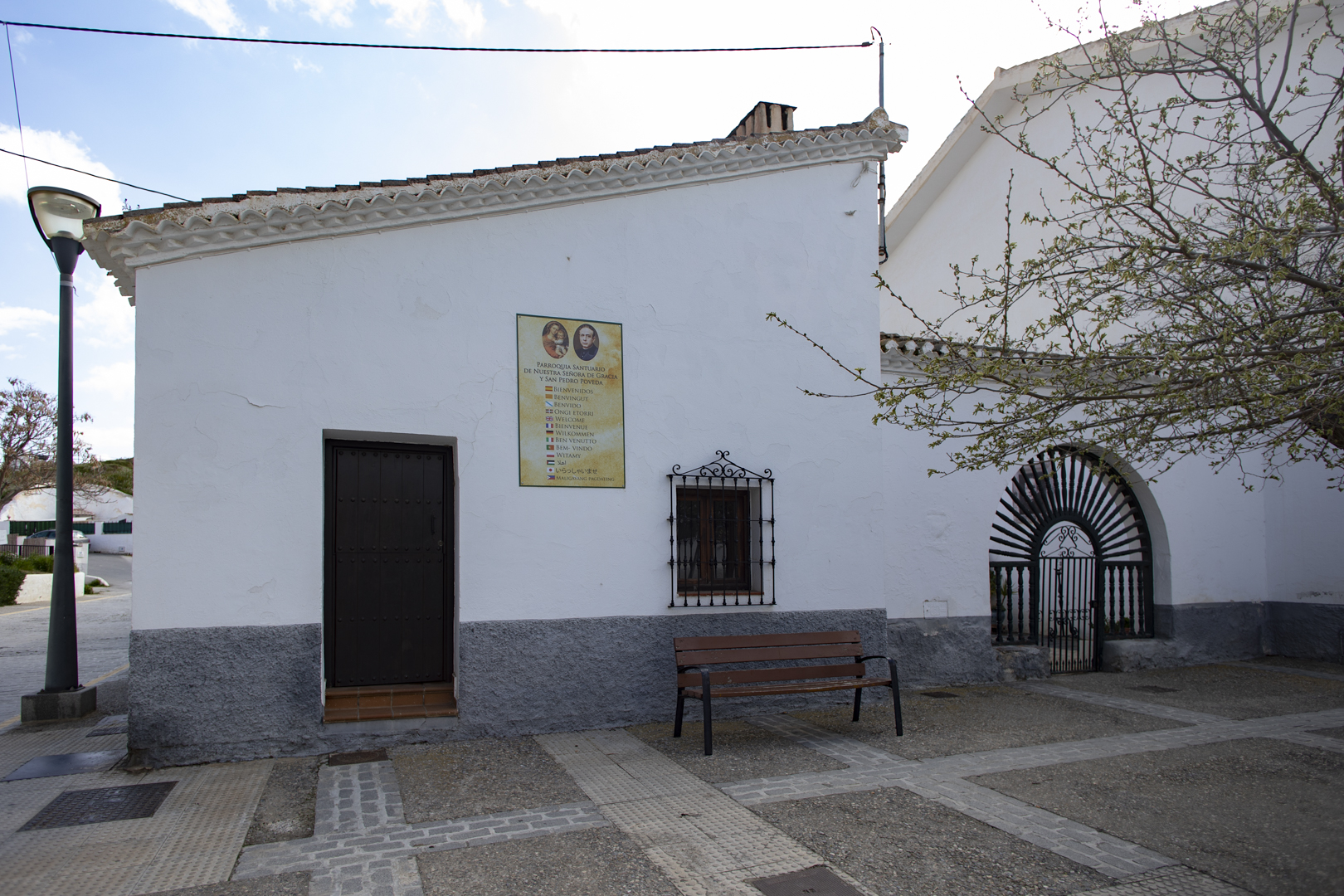
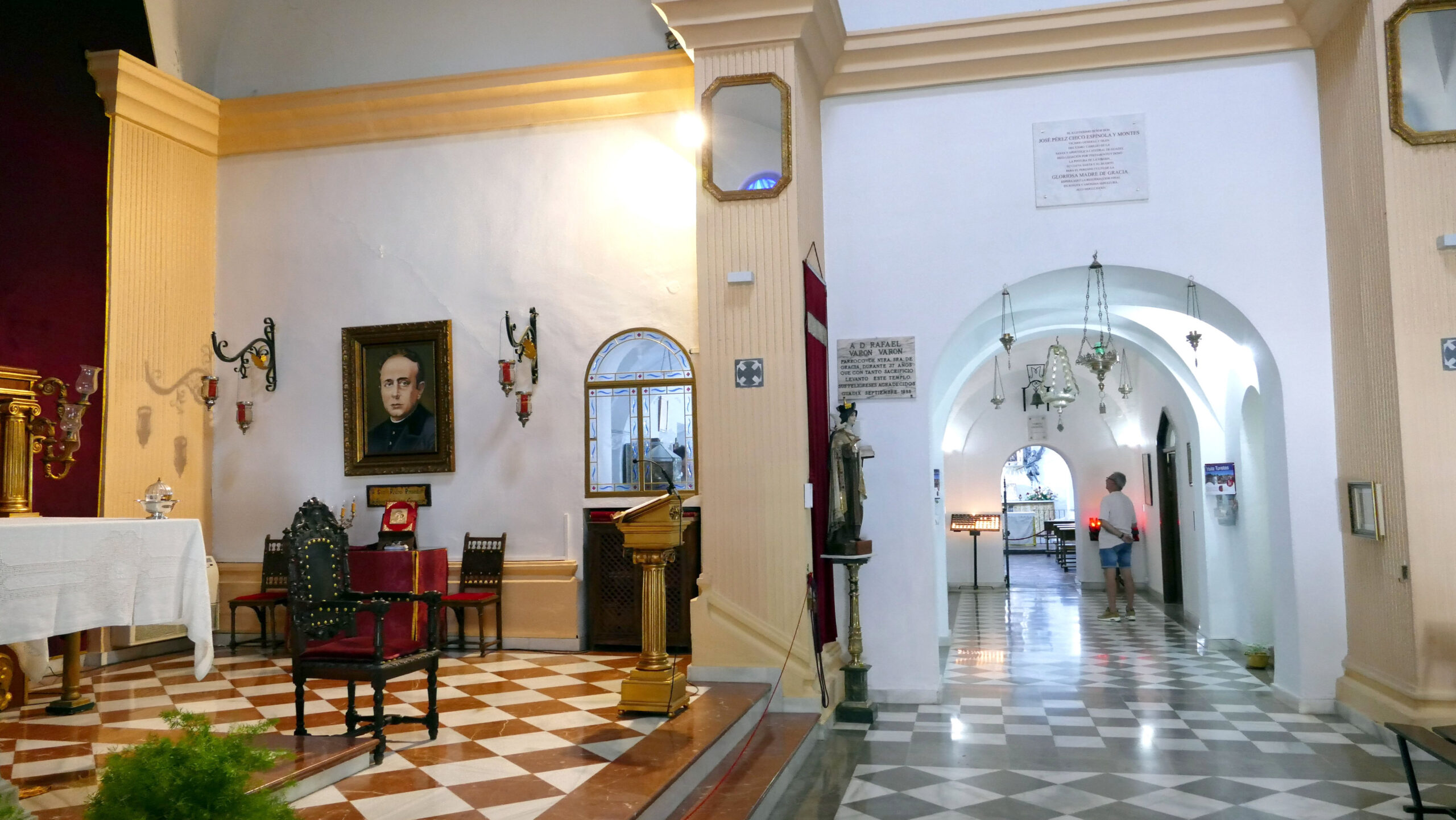
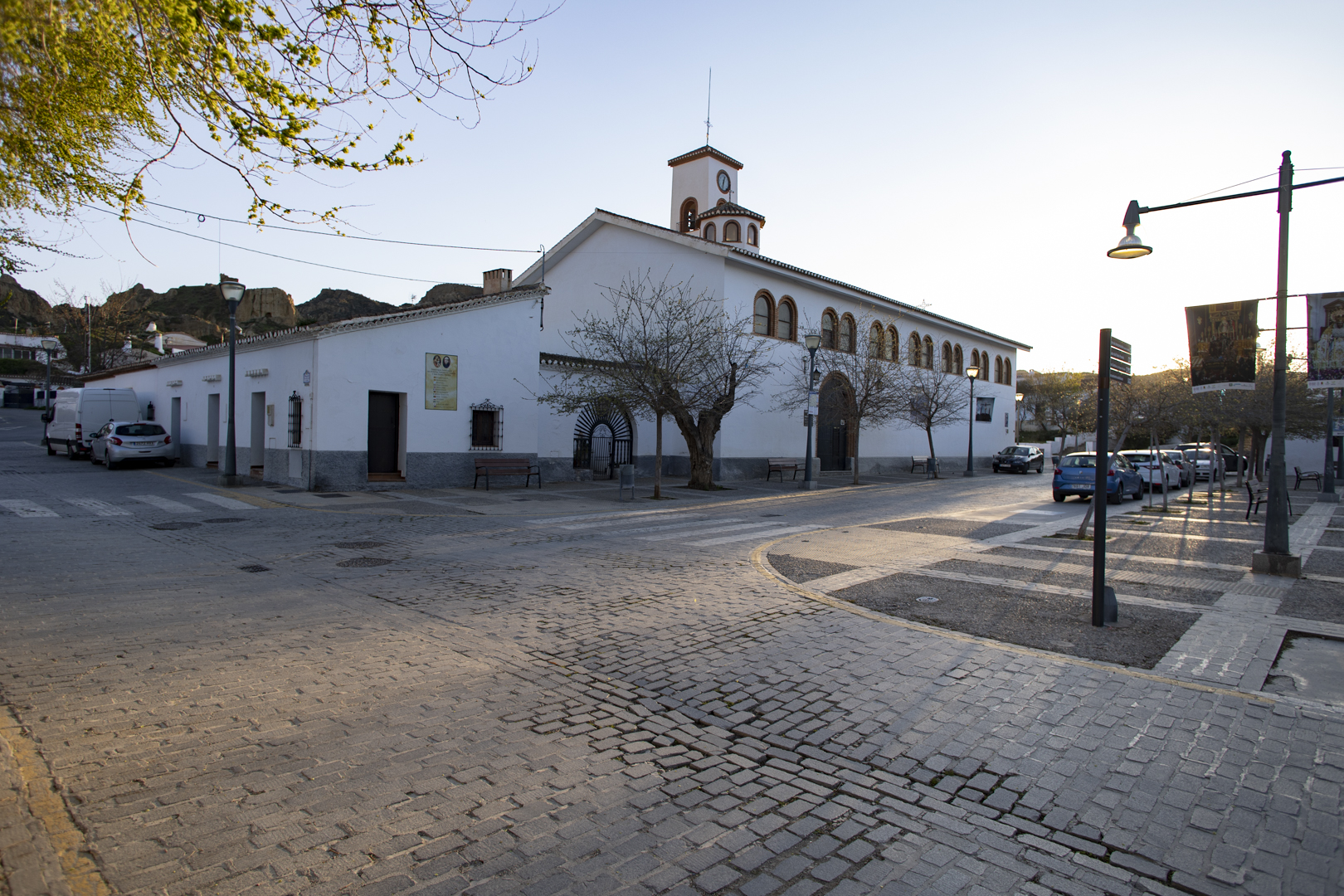
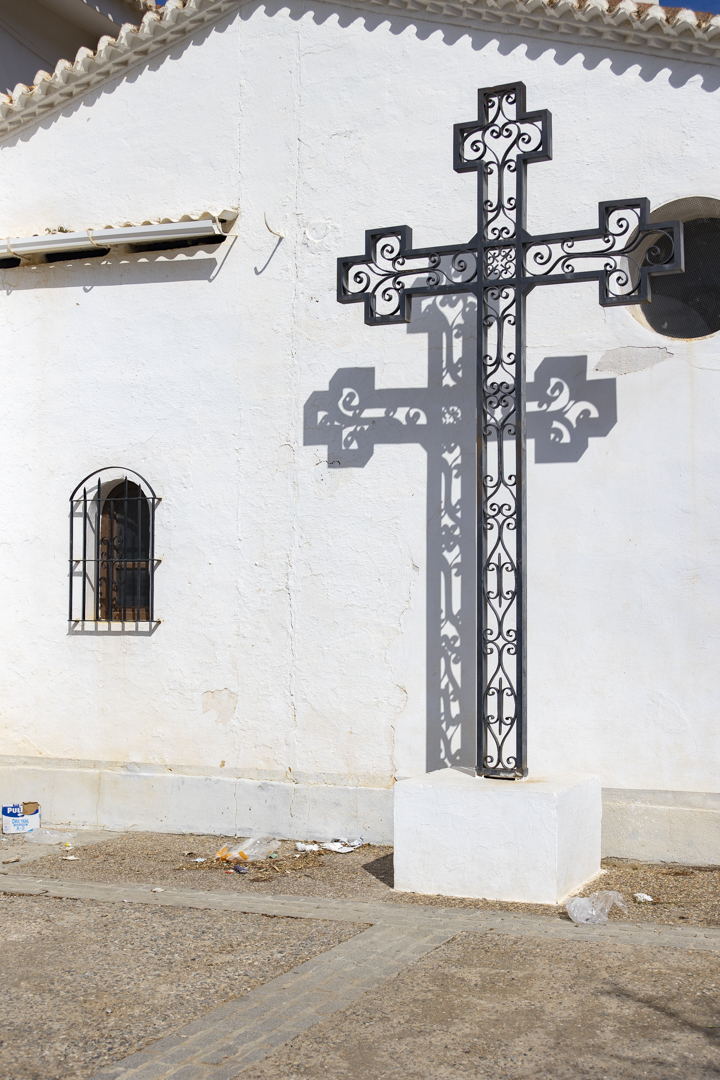
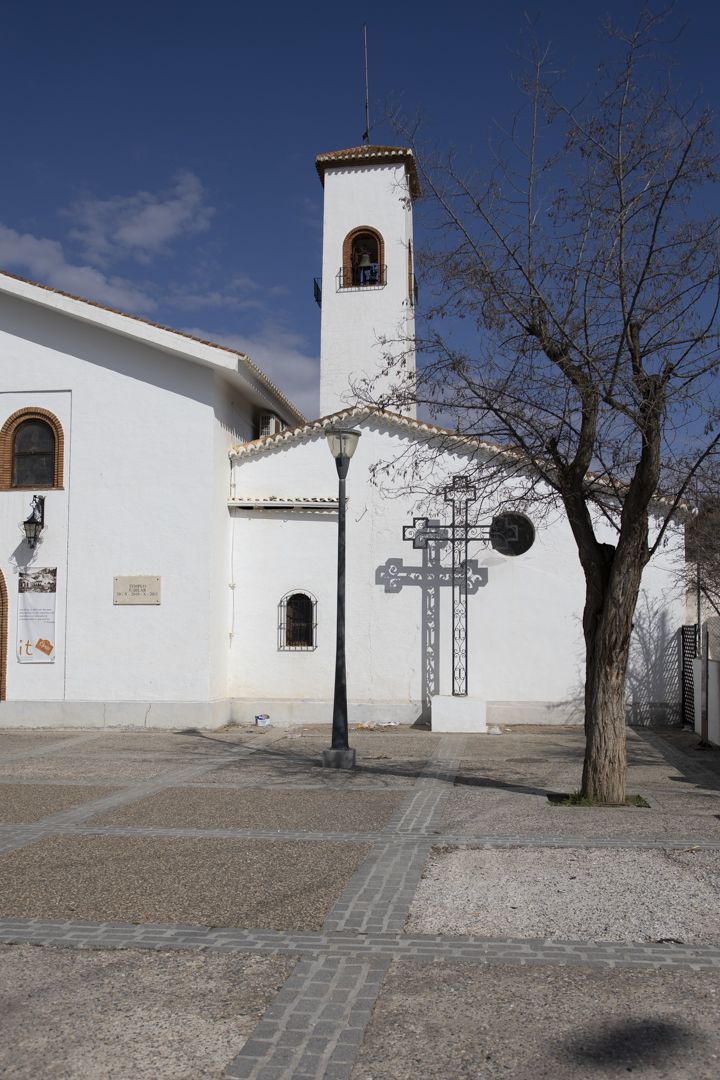
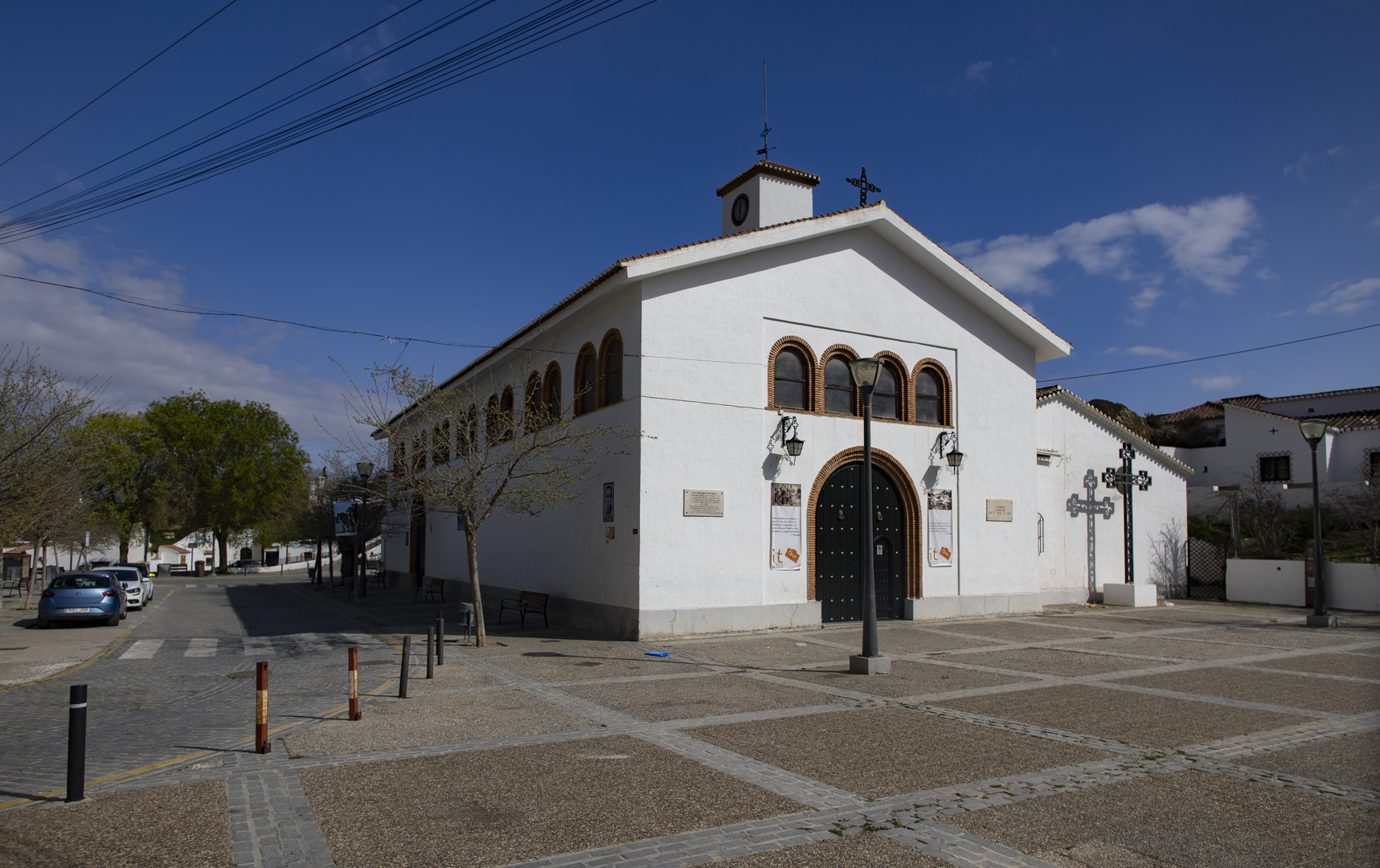
- Caves used as temples or hermitages
This phenomenon is known as troglodyte tourism, and it has transformed the Cave Quarter of Guadix into one of the most intriguing cultural tourism destinations in Andalusia.
Stroll through the Cave Quarter of Guadix
One of the best ways to explore the Cave Quarter of Guadix is on foot. Its paths wind through the clay hills, connecting the different caves and following the natural contours of the land.
The layout of the Cave Quarter of Guadix doesn't follow a classic urban plan, but rather adapts to the natural paths and slopes of the landscape.
During your walk, you can discover natural viewpoints offering some of the best panoramic views of Guadix, with the Cathedral and the Alcazaba standing out above the historic center.
This contrast between the monumental city and the troglodytic landscape makes the Cave Quarter of Guadix one of the most fascinating places to understand the history and identity of the city.